

The Long and the Short of It
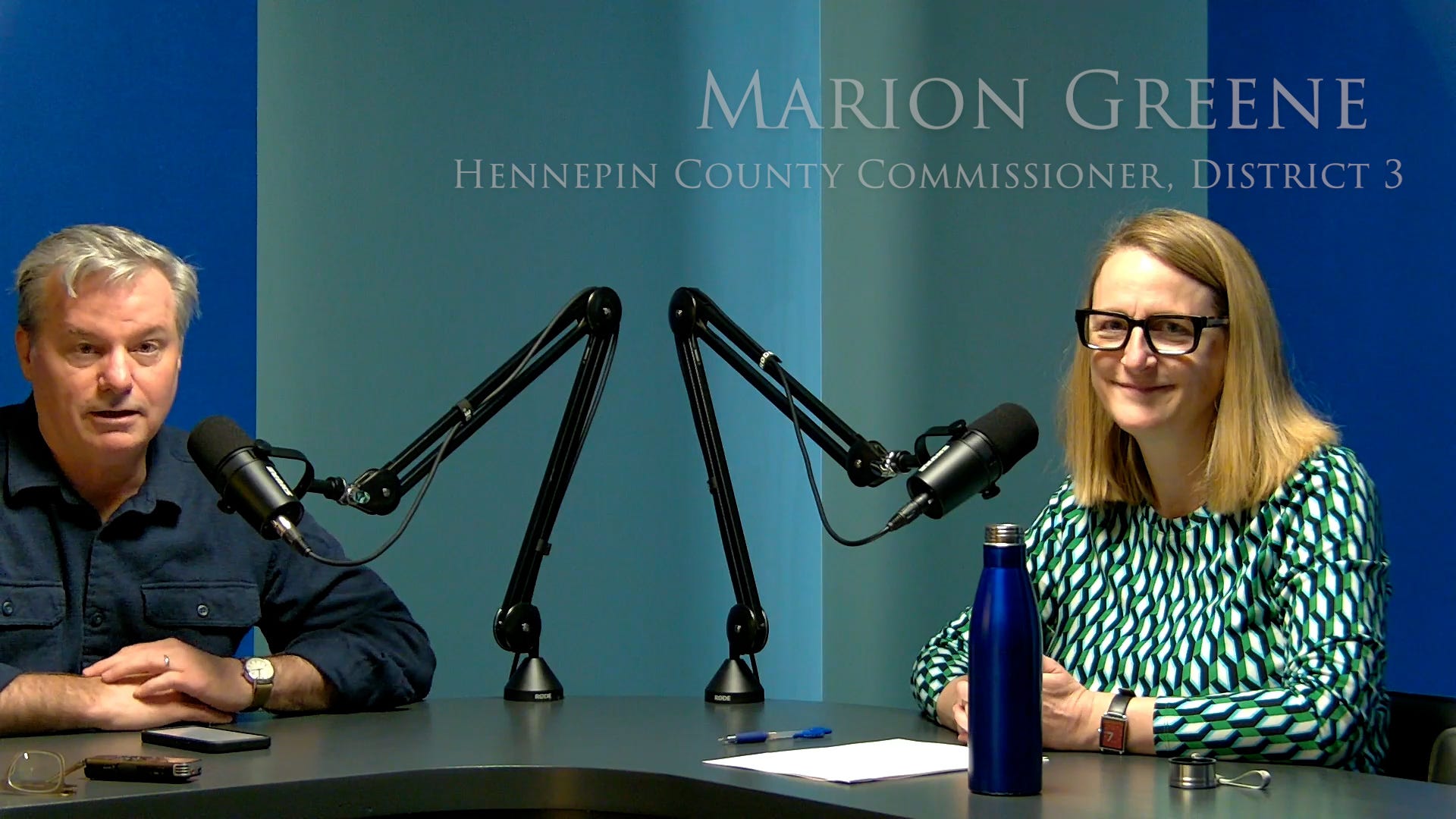
Sitting down with Commissioner Marion Greene, we covered a lot of ground and learned how much the county actually does. Hennepin County’s $3.15 billion budget is larger than Minneapolis’s and dedicates 26.8% to Human Services, 21.2% to Health, and 15% to Law, Safety and Justice. The county also runs HCMC, the region’s trauma 1 teaching hospital, which is currently fighting for its financial future at the state legislature. Clergy and supporters held a 24-hour prayer vigil to encourage the legislature to pass a proposed sales tax before the session ends.
We didn't get to everything — the closing of HERC, for example, was only briefly touched on. But we did discover that Greene shares our editor's facility with the two-letter words that make Scrabble players insufferable. Reflecting on all the governments and organizations the county must navigate, a bigger question kept nagging at us: is our election system filtering out exactly the kind of people we need most? To be clear, this isn't a critique of Commissioner Greene or any specific candidate — it's a broader observation about the traits our election system tends to reward. Greene, for her part, is seeking the DFL endorsement this August.

Winning office rewards extroverts — people who are sociable, competitive, and increasingly expected to produce a steady stream of social media videos, even if they're just telling voters what small business they supported for breakfast. But governing Minnesota's complex challenges, from income disparity to public safety to substance use, may require something different: people who listen more than they talk, who can digest a dense report, and who are willing to follow rather than lead when the moment calls for it. That's not a skill set that fits neatly on a campaign mailer. We may be biased by our own introverted tendencies, but the quiet collaborators rarely get the credit when things go right.
With the federal government now withholding another $91 million in Medicaid from Minnesota, and demand for SNAP, housing, and healthcare assistance at high levels, the stakes for getting this right are significant. There’s no quick fix, but options like proportional representation or open top-four primaries could help broaden who runs and who wins. In the meantime, voters can start by asking themselves: when was the last time I chose a candidate because they seemed like a good team player
?
Interview Summary
Marion Greene is the District 3 Hennepin County Commissioner, running for reelection after 12 years on the commission and two prior years as a state legislator. A foreign service kid raised across multiple countries, she came to Minnesota after being recruited by the Pillsbury Company, later moved into the medical device industry, and found her way into politics through a public policy role — with the encouragement of her then-VP, now Congresswoman Angie Craig.
Greene highlighted key accomplishments including Hennepin County’s climate action plan and zero waste plan, championed during the pandemic while she chaired the county board. She emphasized the county’s role as the primary local funder of affordable housing, while acknowledging that need continues to outpace resources. Other topics included Hennepin County Healthcare’s leadership transition and the shift toward decentralized county services that meet residents where they are.
On the Sheriff’s Office, Greene clarified remarks taken out of context — her point was never that the county shouldn’t support public safety, but that expanding the sheriff’s patrol role countywide would be fiscally irresponsible given the county’s roughly 100 deputies versus 1,500-plus city officers regionwide. She also flagged a $15 million budget overage worth scrutiny given looming federal Medicaid cuts.
On Lyndale Avenue, she explained that as a county road, city council approval is desired but not technically required, construction is pushed to 2028, and an unresolved question remains about whether Mayor Frey can now bypass council sign-off on road designs.
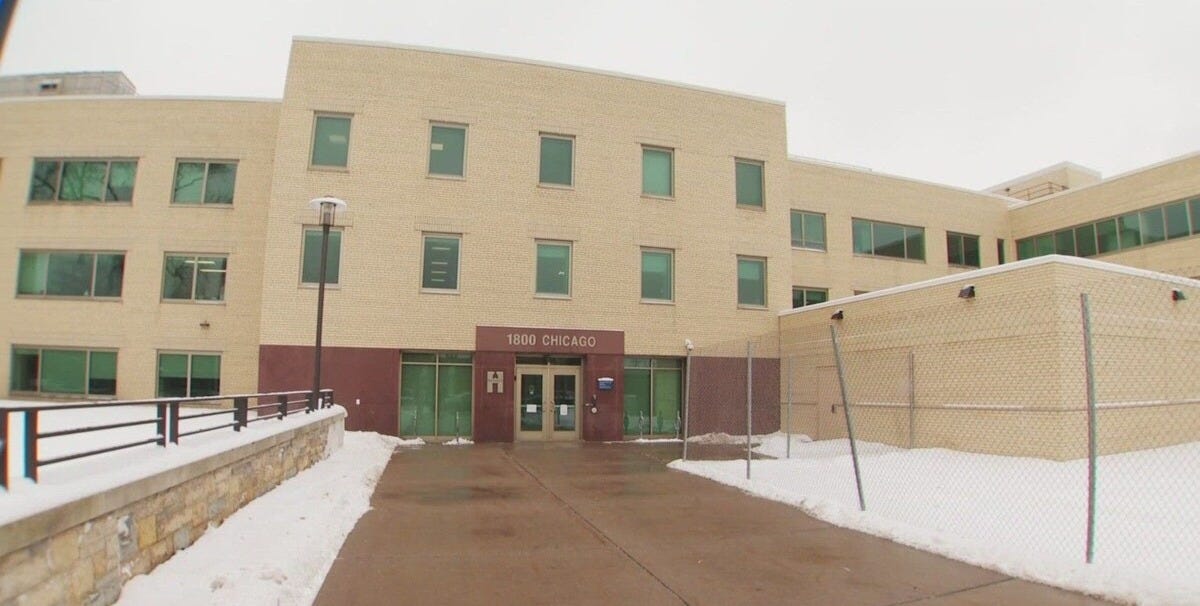
The Hennepin County Home School discussion weighed real tradeoffs. While the 145-acre Minnetonka facility gave many youth their first access to medical care, mental health services, and regular meals, Greene cited outdated buildings and the broader shift toward community-based care as reasons for closure. She pushed back on claims linking the closure to rising car thefts, noting only a handful of kids remained at the end. It’s an open question as to whether community alternatives deliver equivalent outcomes. Greene conceded no adequate regional solution yet exists for the most traumatized youth, pointing to the new Youth Stabilization Center at 1800 Chicago Avenue as a step toward modern best practices.
Greene closed by discussing the county-city collaboration on homelessness and making an appeal for listeners to sign up as election judges emphasizing civic participation as she heads into her reelection campaign.


