


This essay is for all the mothers with cracked hands, scarred bellies and breasts, and fantasies of what life might have been like without children.
Brunch and Flowers
A typical image of Mother’s Day is brunch and flowers and a day off from the regular Sunday routine. Those things are well-deserved, and if you’re a mother who has such a day, we hope you enjoy it. You’ve earned the recognition.
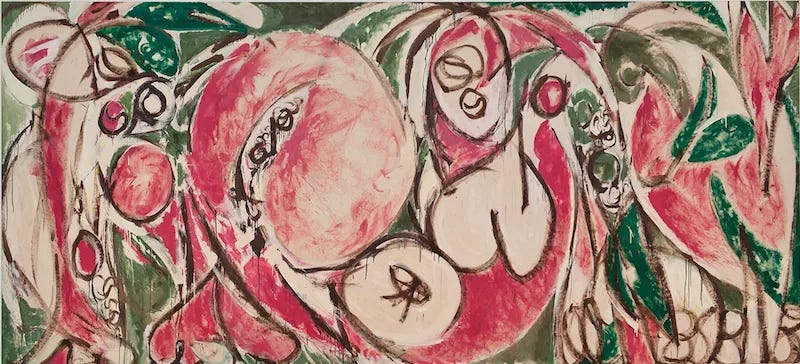
However, that image of mothers is incomplete. It’s a Hallmark card that has photoshopped out the brutality, heartache, and tedium of motherhood. It doesn’t do justice to what is asked of women who become mothers, sometimes not by choice. It seems that television, Facebook, and Instagram have homogenized and sanitized motherhood. A mother at home in the kitchen baking, balancing the checkbook, and seamlessly keeping the family schedule up to date is so far off from the experience of many as to be laughable. While many mothers certainly do these things, the picture leaves out the battles and tears and loneliness that deserve to be in the frame as well.
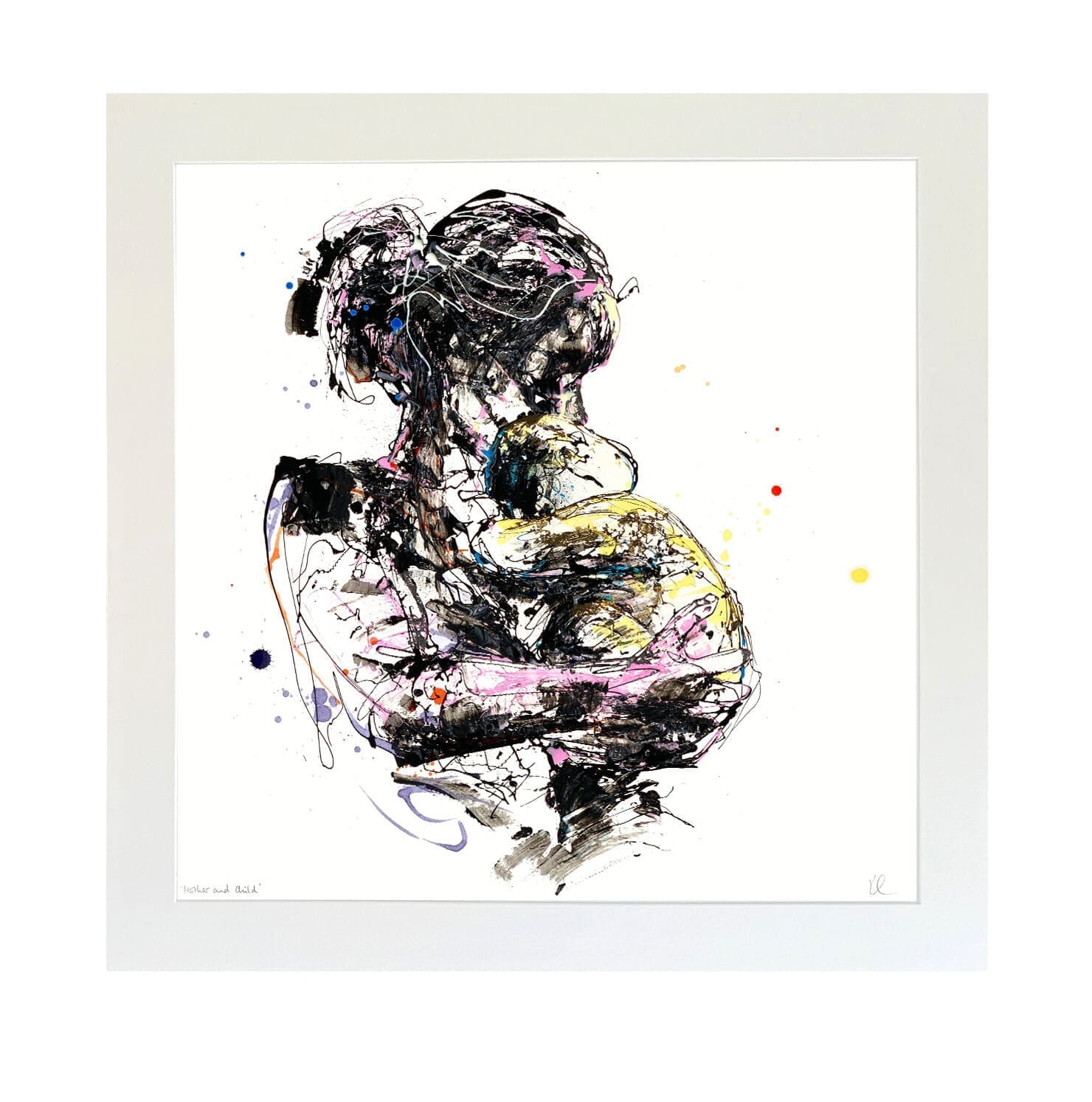
For example, twenty years ago I worked at U.S. News & World Report with a woman called Denise who was a Creative Marketing Director. In my eyes, she was the epitome of New York cool, a great job, respected by her staff and colleagues, and dressed superbly. Regardless of what deadline or strife consumed the day, Denise handled it with grace and a sense of humor. It took months before I learned that she was stepmother to a teenage daughter who was in and out of drug rehab. That the bills for the rehab meant their family was essentially broke, and that she showed up in a panic every day, worried about being laid off or fired for being too strident, or not strident enough.
The expectations we place on mothers are impossible. If they work too much, they are seen as neglecting their children. If they stay home to raise those children, they are seen as not living fully actualized lives. Stand in the kitchen of a mother whose child has special needs, and you’ll learn about how the schools come up short. You’ll hear about the sleepless nights and the inner doubts that grip them at 4 a.m., and how the cause of it all gets laid at her feet, by the people around her, and by herself. Yes, fathers are thought to play a role, but the doubts and expectations are always placed on the mother.
Witness to the Surge
As we witnessed during the resistance to Operation Metro Surge, when federal immigration enforcement swept through our neighborhoods, it was often mothers who served as the fiercest fighters. They stood in subzero temperatures to guard the schools. They showed up in church basements to pack food. Mothers were prepared to swallow the addresses of those to whom they were delivering packages. Despite all the progress America has made in increasing the opportunities for women, our expectations of mothers don’t seem to have changed all that much. They are still treated as lacking if they fall short of performing as the backbone of the family. It’s mothers who make the doctor appointments, know school deadlines, volunteer, and put food on the table. It’s mothers who most acutely feel the loss of children sent to war, or jail, or picked up randomly by ICE agents. Even if those bodies didn’t come from inside their bodies, they feel it. Mothers are intimate with loss, the rewards of motherhood not always equal to the sacrifices they've made.
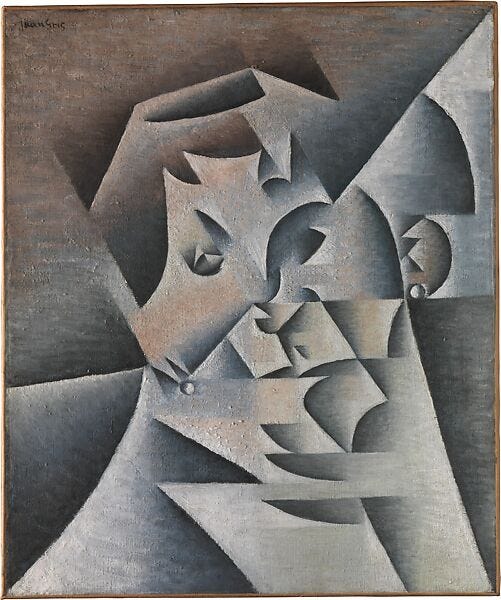
For these reasons and more, when I think of mothers it isn’t a fluffy Hallmark card with flowers and hearts and anodyne statements of “You’re the best.” A more accurate picture is of a mother standing in the middle of a smoking battlefield. She is holding a pitchfork and tied to it is an improvised flag made from a torn bed sheet stained with blood and urine and vomit. Between her legs is a dirty and dented car seat with an infant, one that may not be hers. Her hair is wild, her nails broken, her face smeared with sweat and grease. Her eyes are full of the boldness and compassion of someone who has watched others die, of panicked car rides to the hospital with children who have broken bones, of holding the hand of someone who has been raped, or beaten, or imprisoned. These are people who know that life can be very fucking hard to survive, even though your neighbor or sister or friend is posting pictures of their recent trip to Portugal or their stable, athletic, drug-free child’s graduation before they head off to Harvard.
Mothers deserve their day. They deserve our love and respect. They bear the scars of war, of hunger, of dreams deferred, of holding ground when burdened with unattainable expectations. They are the warriors on which we depend. We just don’t hand out medals when they come home wounded.
Thank you for reading and caring.


