

The Counter Argument
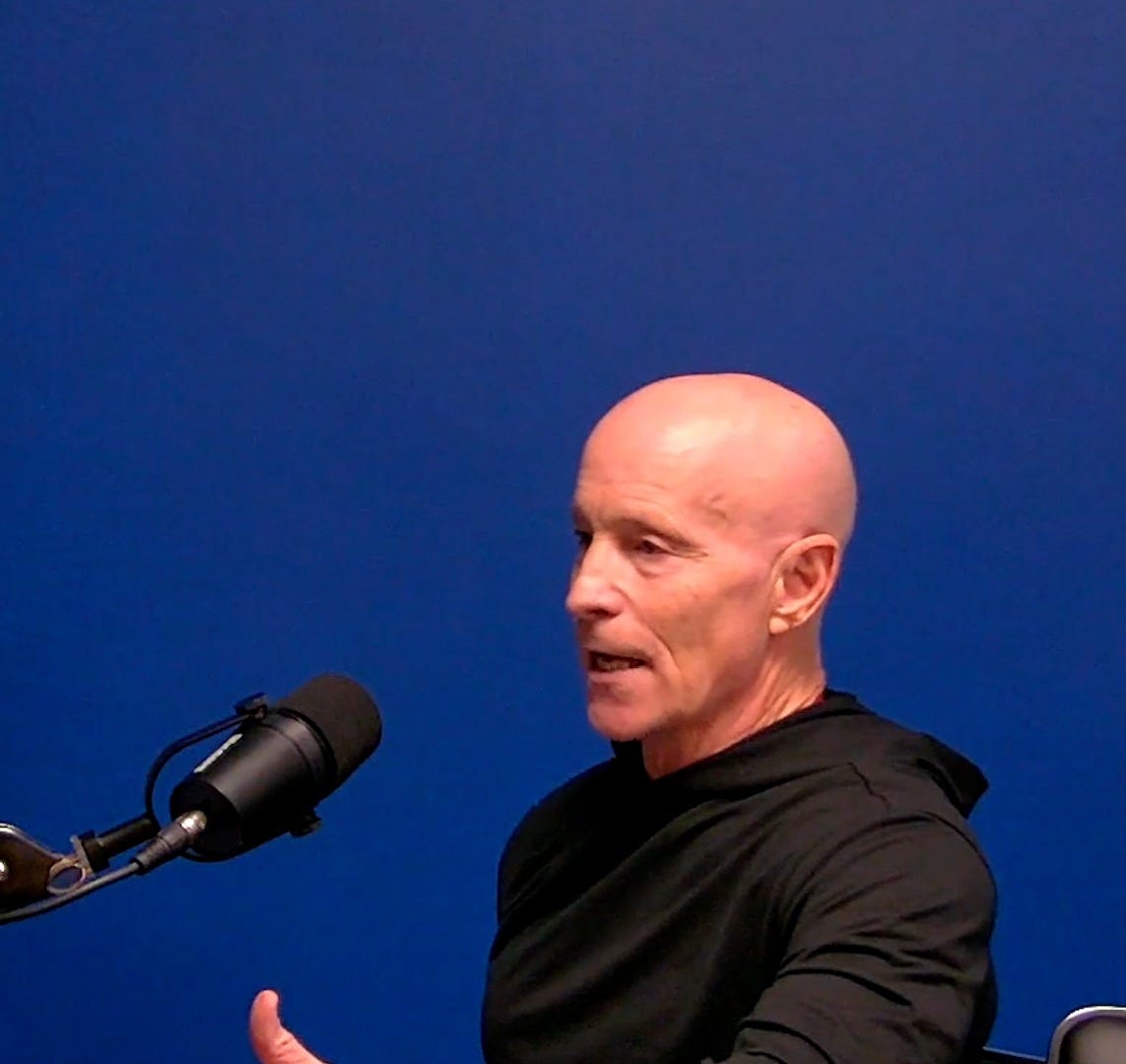
For today’s interview, I sought out someone with real-world experience in property ownership around Uptown. I wanted to test the claims made in Christian Heller’s May 26 Star Tribune Commentary, “Stop scapegoating homeless people for Uptown’s problems”, particularly his explanations for the area’s vacant storefronts.
Heller argued, first, that landlords are using spaces for passive speculation and that store size is part of the problem. Bruce counters that major tenants like the Kitchen Window, Urban Outfitters, and Apple were successful for years. Many attribute the subsequent vacancies to the upheaval following George Floyd’s murder, which drove away both shoppers and businesses. The mayor’s proposed “more doors” approach, subdividing larger spaces for smaller, independent retailers, sounds logical but, as Bruce explains, isn’t the solution many hope it is.
But what struck me most was Heller’s claim about affordable housing: “The property owners who hold vacant space hostage would rather use it as a tax write-off than provide stable homes for the community.” I’ve heard this refrain in progressive circles often enough, but Bruce, who has firsthand market experience, calls it unfounded. As he points out, any tax benefit a landlord receives falls far short of the losses from vacancy. It’s like spending a dollar to get back 60 cents. Yes, you could lose the entire dollar, but 40-cent losses on every dollar will still destroy your business.
The real issue, then, isn’t economics, it’s credibility. If Heller had two decades as a landlord under his belt and could explain how to profit from vacant buildings, his argument might land. Instead, the piece follows a familiar pattern: people without business experience telling those who operate in it what they should do. It mirrors a city government stocked with policy experts and nonprofit leaders who have high confidence in their ability to shape business operations, despite limited exposure to how markets actually work. That’s not an argument for excluding nonbusiness voices from government, but there’s a strong case that Minneapolis would be stronger if our leaders solicited more input from the business community and genuinely grappled with the real-world costs of the policies they pass.
Wanting to Be Positive
Tuesday morning started poorly. My wife’s urgent texts arrived during a meeting: someone had stolen our muffler overnight. She discovered it when she tried to leave for work, the noise had even woken neighbors down the block.
Later, heading to record with Bruce, I was rerouted off 28th Street. A dozen squad cars, armored vehicles, a helicopter, and what became Interim Police Chief Bill Peterson’s first crisis was unfolding. A man released from prison, a wanted fugitive, had fired on police. The lockdown lasted hours. During our interview, sirens continued and cell phone alerts went out. After we finished, the entire block where Alex Pretti was murdered remained swarmed with police. According to Star Tribune reports, the area “has been stressed for months by immigration enforcement, drug use and the rising cost of living.”
Some days in Minneapolis, staying positive takes real effort. But Bruce and I did find a few reasons for optimism. We closed discussing the bright spots Uptown has lately, less visible drug use, returning businesses, the Art Fair coming back August 7–9, and a new movie club started by Uptown United. There are wins to celebrate. On days like Tuesday, though, you have to work harder to see them clearly.
Thank you for reading.
For paid subscribers, we’re planning a special happy hour on July 9. Save the date, more details to follow.


