


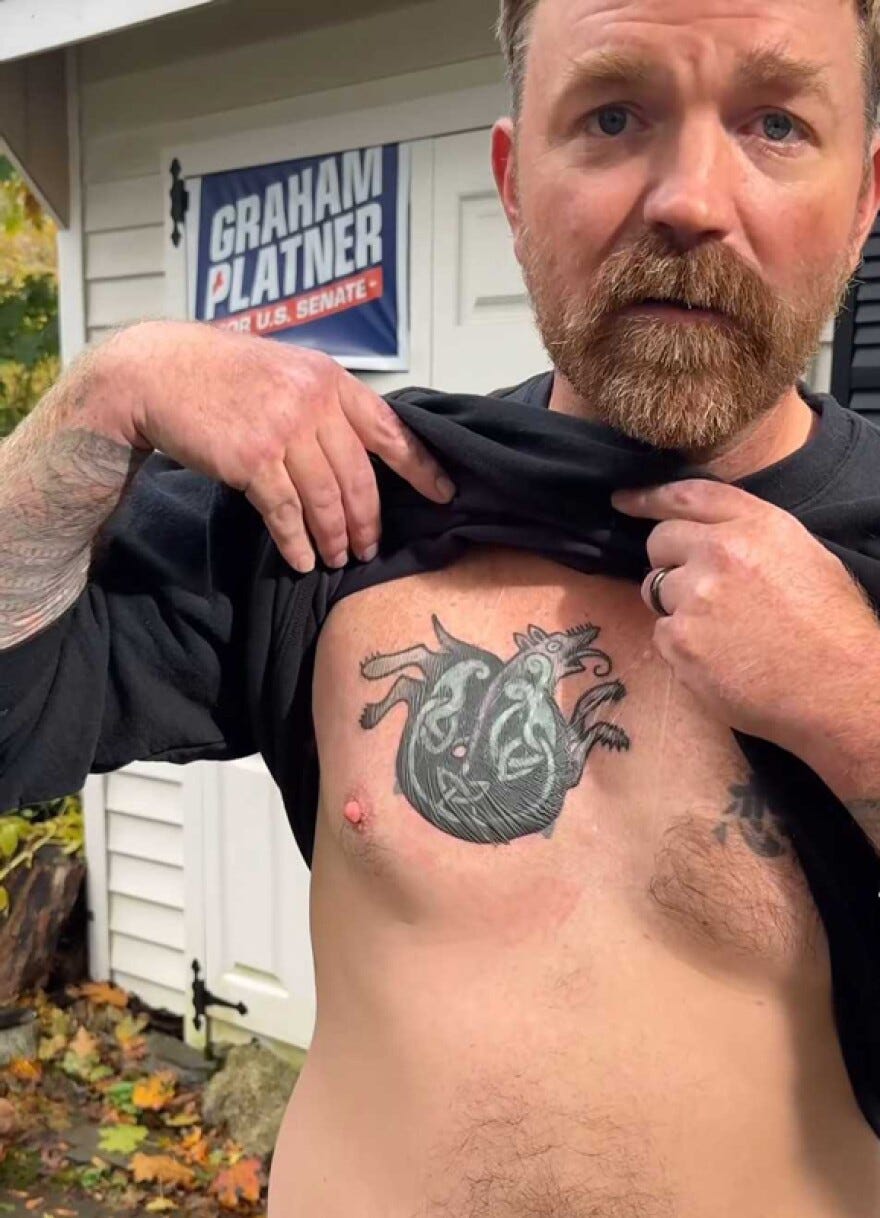
The left wing of the Democratic Party fell hard for first-time politician Graham Platner, the crusty, straight-talking oyster farmer from Maine. We heard it endlessly: he was an “authentic” working man, as though such creatures were difficult to locate without political consultants pointing them out to us.
What didn’t fit the “fighter for the working class” narrative got ignored or explained away. Point out that Platner attended elite prep school or that his father paid for his house? You clearly didn’t understand the significance of his message. If Democrats had simply paused to ask why being an oyster farmer qualified anyone to be a U.S. Senator, it might have slowed the rush of endorsers, Michigan Senate candidate Abdul El-Sayed and Minnesota’s Peggy Flanagan among them.
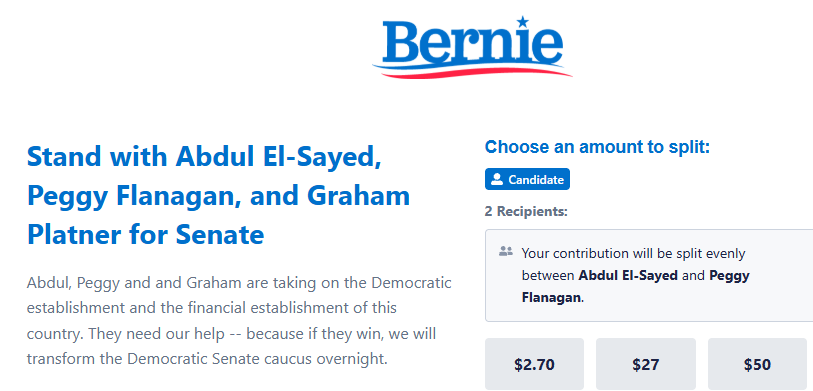
If both win their primaries (El-Sayed on August 4, Flanagan on August 11), it will be interpreted as proof that the Democratic Party has shifted solidly left, possibly too far left for the moderate electorate when they have to win entire states, not just party faithful. (Flanagan has since publicly withdrawn her support.)
The Electoral Calculation
The Cook Political Report still calls Maine a toss-up. We disagree. We believe the Platner debacle doesn’t just hand Susan Collins her reelection, it makes it more likely that Arkansas, Michigan, and Ohio tip Republican. If our read is correct, Republicans will perform far better in November than anyone expected in February.
Why We Keep Falling for It
The Platner collapse has exposed, once again, how manufactured our candidates are. We want to believe in our leaders so badly that we’ll overlook almost anything. We even listened to podcasters explain how Platner’s flaws were advantages, they made him more approachable, the argument went. People don’t want pristine leaders, they said; it makes them feel inadequate by comparison.
It’s the same impulse that makes us believe Jeremy Allen White, who plays Carmen in The Bear, is a master chef in real life. More likely he has a personal chef and would burn a grilled cheese sandwich if left alone in a kitchen. His job is to act. If he does it well, we assume he is like his character, but that’s rarely the case. Next role, he could play a welder. Both professions take years to master.
What Matters More Than the Story
More often than not, we want a politician whose personal story feels relatable. What the Platner saga teaches us is that their character and track record matter far more than the life narrative they ask us to believe.
There’s another caution embedded here. The identity characteristics candidates, or their handlers, choose to highlight are usually selected because focus groups liked them. Right now, Angie Craig touts that she’s a lesbian. Peggy Flanagan highlights her Native American heritage. Neither quality indicates how well they’ll serve in the Senate. They’re signals designed to activate support, or at least support from certain constituencies. It must be that being an English major performs terribly in focus groups, because we’re still waiting for a candidate brave enough to lead with that.
The Devalued Endorsement
The DFL endorsement once signaled that a candidate had been vetted, that voters could trust them to represent Democratic values. That endorsement’s value has been muddied. Increasingly, people understand that the DFL contains the DSA. From an outsider’s perspective, it’s unclear which group is responsible when someone gets endorsed. The distinction matters.
Like Mainers, Minnesotans tend to be reserved and slow to accept outsiders. It seems many of us share Maine’s frustration with the status quo and want a change in government. We understand the impulse. Watching the current administration’s corruption and incompetence is infuriating. But we hope Minnesota doesn’t let that hunger for change lead us to similar poor choices.
Before You Vote
If you’re planning to vote in the primary, we encourage readers to research the candidates, even meet them if possible. Avoiding the spin takes effort. It’s worth it.


