


The Reform Agenda
Minneapolis must ask itself what it wants from the police and how we’re going to prioritize our public safety dollars. Chief O’Hara resigned on the heels of the 6th Anniversary of George Floyd’s murder, an occasion that saw community gatherings of remembrance and panels devoted to pushing for greater change within the Minneapolis Police Department. Social media has been abuzz with denunciations of Mayor Frey and Chief O’Hara since the resignation. Despite his shortcomings, many believe that Minneapolis is unlikely to find another chief of O’Hara’s caliber anytime soon. However, others have piled on the recrimination and are making the case his performance was unfit from the start.
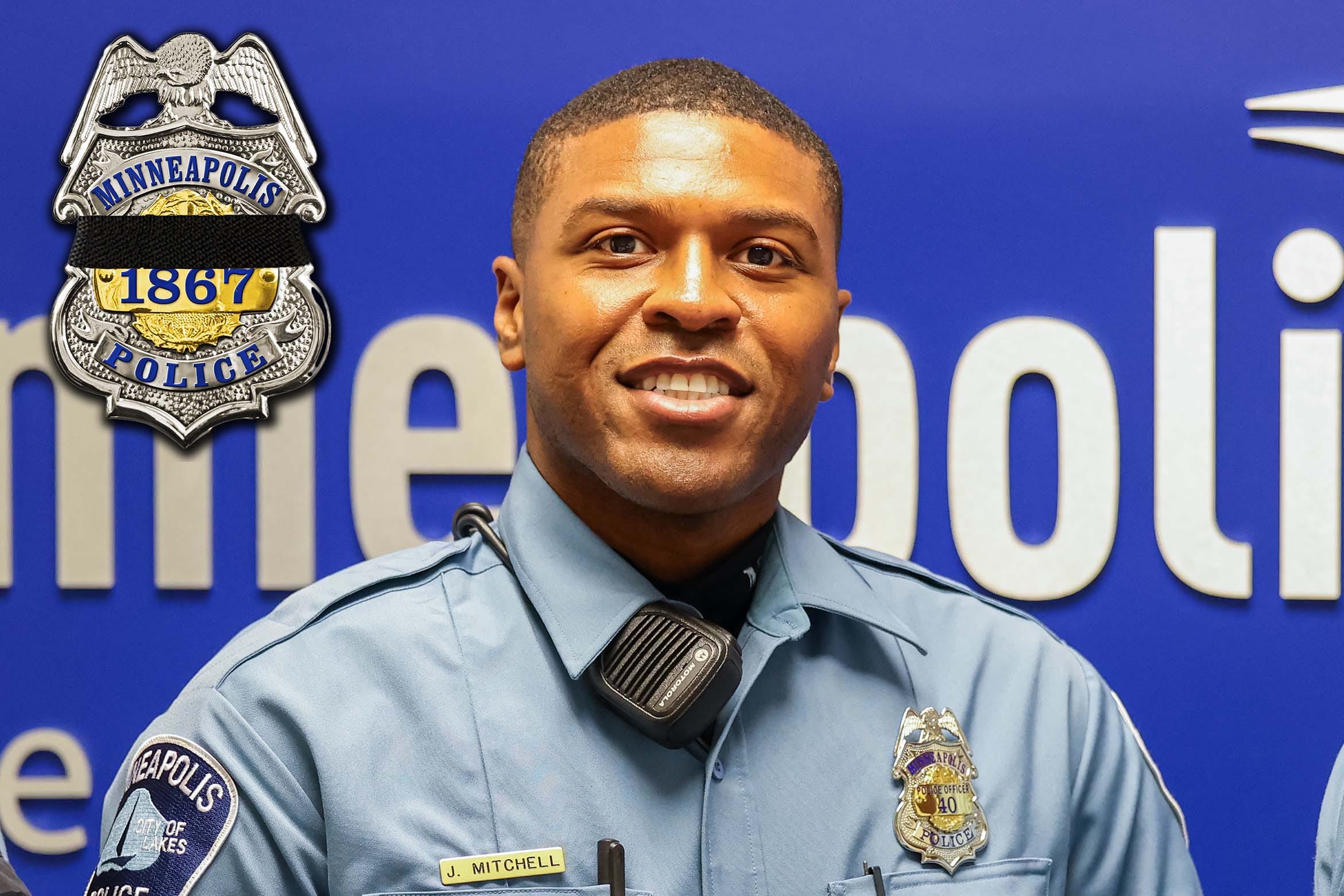
We’d like to point out that on Friday morning at 8:30 a.m., two people were shot downtown at Ninth Street South and Nicollet. It’s our opinion that while the factions within the city battle over the philosophy of policing, crime continues to impact the daily lives of residents. The daylight shooting near Target’s corporate headquarters sends a message that Minneapolis is out of control. While Minneapolis may be improving in some areas, it’s worth examining whether we are spending too much time analyzing the police and not enough trying to combat the root causes of crime. One of the victims shot downtown was a 44-year-old bystander waiting for a bus. This story, like so many, gets buried in the onslaught of other news, but the victims remember. They won’t forget. On Saturday, the city honored the memory of Police Officer Jamal Mitchell by renaming a stretch of Blaisdell Avenue South after him. He was killed while responding to a shooting in 2024. His family will feel his absence for the rest of their lives.
Hot summers historically correlate with higher crime rates. We expect to see more shootings, shots fired, stolen vehicles and assaults. Hopefully, it is clear to people that the heat is only one factor in crime rates, just as the number of police is one factor. Unfortunately, because of a depleted number of officers, historical abuses, cost overruns, and continued trouble within the department, we, as a city, seem to place most of our focus on the MPD to either save the city or drag it down. The causes of crime, however, are numerous and we would like to see the city reach a plateau where it can accept that both the police and other social support are needed. The causes of crime often cited include:
Poverty and Economic Inequality
Social Environment and Peer Influence
Family Dysfunction and Childhood Trauma
Substance Abuse
Lack of Education and Employment
In this newsletter we often advocate for elected officials to focus more on creating the economic environment necessary for job creation. The reason we do so is because jobs address poverty. When people are working, it can lead to less substance abuse, more family cohesion, and more tax dollars to fund the social safety net needed to assist people with housing and education.
We aren’t advocating for jobs because we’re eager to see capital pool at the top of the economic food chain. Rather, it’s because without them desperation creeps into a city, people go hungry, and they turn on one another. There are many problems with capitalism, and the Democratic Party would be well-served to consider how to ameliorate the worst of these, but at the same time, the jobs created when businesses grow and thrive build community and reduce inequality.

Let the Data Lead
My recent newsletter about the fate of Commissioner Barnette of the Office of Community Safety elicited a number of comments questioning the need for this department. When it comes to safety, it’s worth asking whether the Office of Community Safety reduced crime.
We’d like to see more emphasis on the statistics and less on the ideology driving these programs. For example, to illustrate the importance of data, let’s consider an issue that isn’t a topic of focus right now. Does distributing condoms at high schools reduce teen pregnancy? Without looking up any data, our first reaction would be yes, absolutely it does. We would advocate for the county to distribute them everywhere possible to reduce unwanted pregnancies that can lead to reduced education and economic opportunities, especially for women. However, looking up the data, we find a more nuanced picture.
Without counseling and education support, distribution can actually increase unintended pregnancies.
Knowing the data, if we were to design a program to reduce teen pregnancy, we would pair it with counseling and education, otherwise we would have a program, funded by the government, that wasn’t resulting in the desired outcome. Here’s another example, the city raised the price of cigarettes to a minimum of $15. If the goal was to reduce smoking, we would want to see the data. It might be that it has resulted in less cigarette smoking (good) but more use of nicotine packets and vaping (bad). This trade-off might be acceptable, but we want to have the data to inform the path forward.
This same approach would be useful when it comes to the Office of Community Safety. Has it reduced the need for police officers or reduced crime? As for police hours, the amount of overtime being paid would indicate that non-police alternatives such as violence interrupters, safety ambassadors and the behavioral crisis response (BCR) have had very little combined impact. The BCR in particular has been cited frequently to show how police hours have been reduced because calls are routed to community organizations rather than to police. It’s a small sample size and we would like a more robust data set, but Tuesday, 5/26, from 8 a.m to 3 p.m. there were 310 calls directed to the police and 13 directed to BCR, of those, 8 were for a BCR welfare check. If these statistics were emblematic, it would mean roughly 4% of calls that might once have been directed to the police are now directed at non-police alternatives. This analysis is crude, but it would be the basis for determining whether the money being spent on the BCR is being well spent or if the program needs to be changed or eliminated. We’re not advocating either way except to say let’s put more emphasis on data.
Setting aside the specific candidate for Commissioner of the Office of Community Safety, now might be an appropriate time to revisit the goals of this program and the make-up. What data shows whether violence interrupters and other non-police alternatives work?
One metric is to examine homicides and shots fired. These appear to be roughly the same in 2026 as they were in 2025. Year to date Assault offenses are at 4,285, last year there were 4,056. For homicides, there have been 18 so far, last year there were 20 at this point. For shots fired, last year there were 1,769 versus 1,650 so far this year.
It’s worth asking whether the funding allocated to the Office of Community Safety and the host of alternatives to policing are achieving the desired outcome. We often hear about people wanting to see police officers in their communities, walking patrols, rather than only showing up once shots have been fired. More interaction between the police and the community before a crime is committed could reduce crime and improve trust. A trained officer wearing a uniform is a presence that represents order for many people.
The goal in reviewing these services is to support what is working and discard what isn’t instead of assuming that national data used to inform their creation is relevant to our local situation. One of the main reasons the city council has put Commissioner Barnette in administrative purgatory is his handling of the budget. They want answers as to why the police have exceeded theirs for overtime and other categories. That’s a fair question; it is part of their fiscal responsibility. We’re suggesting the review be broader.
The statistics indicate the city has not seen a significant reduction in violence from violence interrupters, nor are patrols of unarmed safety ambassadors leading to less open drug use, robberies, assaults, car thefts, and vandalism. So maybe it's time to look at alternatives to the alternatives. Having data on what is working will benefit the next chief, whomever that person turns out to be.


