


Brief Summary:
In today’s newsletter, we examine how Minnesota’s nonprofit fraud scandals have evolved from local oversight failures into a national political vulnerability for the DFL. With leaders slow to confront the scale of the problem, Republicans have stepped in with investigations, audits, and messaging that could shape the 2026 elections.
A Party Unwilling to Police Its Own
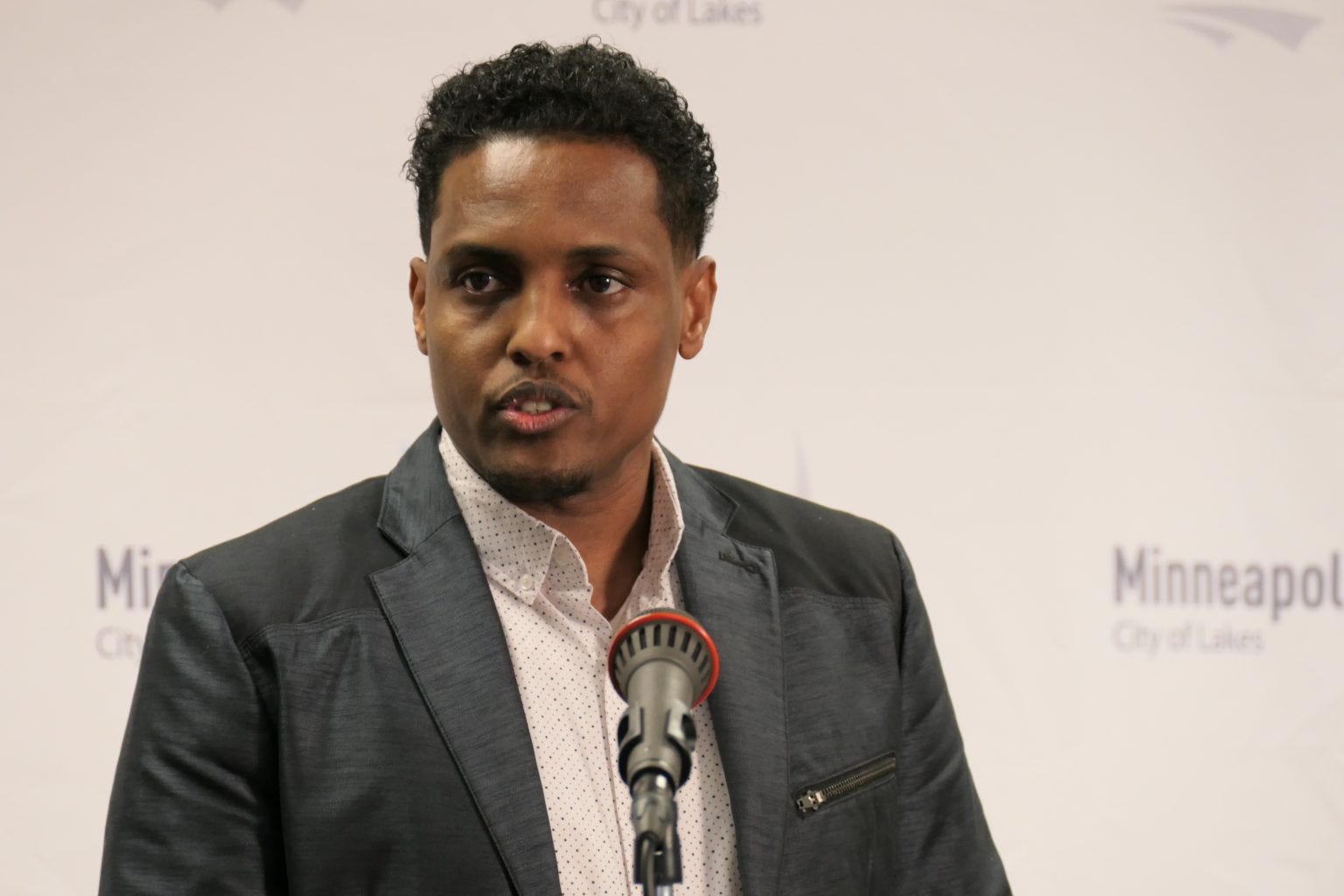
In October 2022, the Minnesota Reformer reported that a nonprofit connected to Ward 6 Council Member Jamal Osman’s family claimed to be feeding 2,500 children per day. Since then, several individuals associated with Stigma-Free International—an entity Osman previously transferred to associates—have been convicted of submitting millions in fraudulent invoices. Osman himself has never been held accountable by the DFL, and he easily won reelection in November. The DFL’s decision to position Osman as a spokesperson on fraud-related criticism of the Somali community has puzzled some observers, given the unanswered ethical concerns surrounding his own associations.
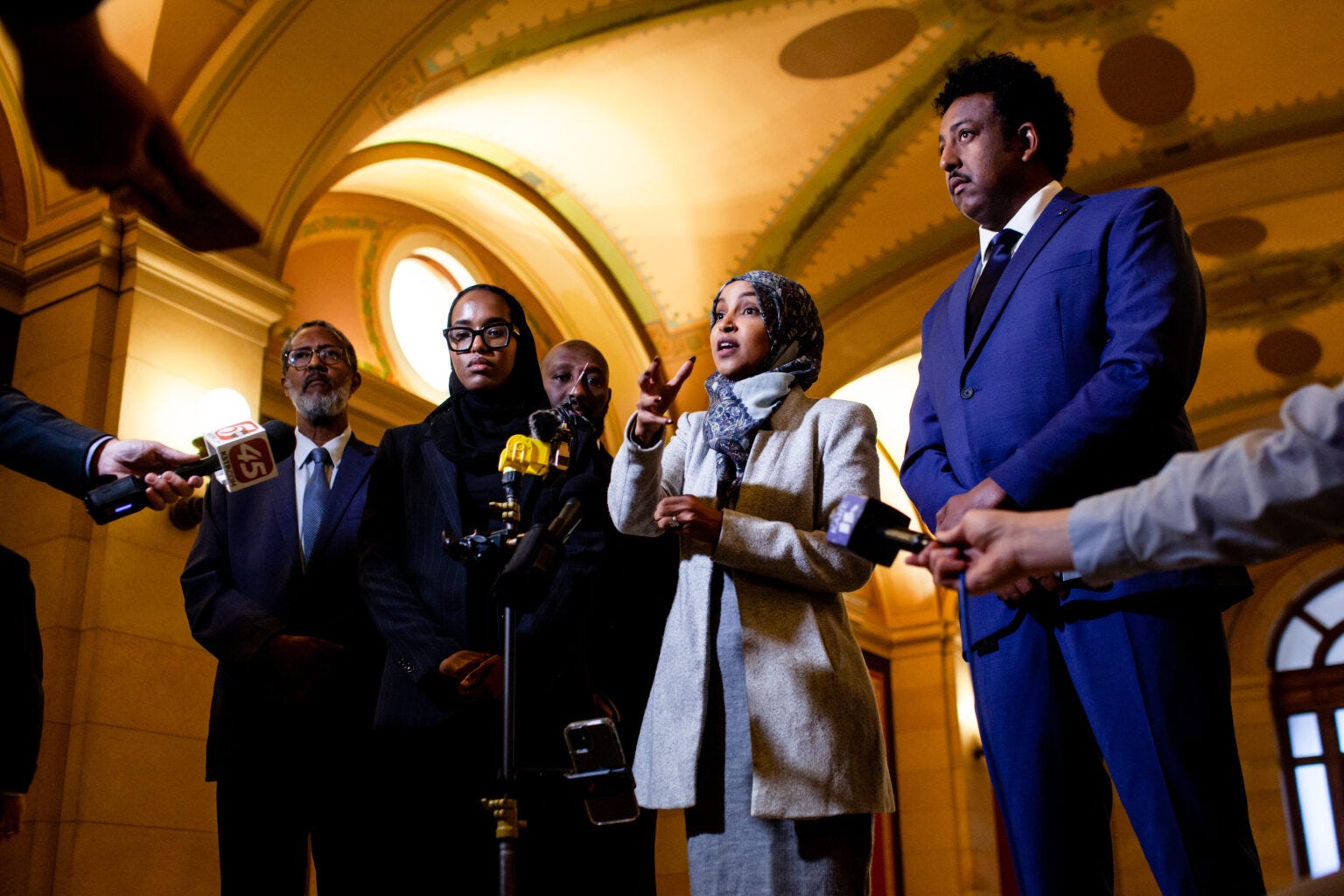
Representative Ilhan Omar’s high-profile online sparring is a distraction with plenty of heat, but it shows little engagement with the systemic failures that allowed nonprofit fraud to expand unchecked. And while it is racist and inaccurate to paint the Somali community as monolithic or uniformly complicit, it is insufficient for party leaders to respond with messaging rather than meaningful oversight.
Minneapolis residents deserve more than talking points about citizenship; they deserve real accountability.
Fraud Has Outpaced the State’s Ability to Investigate
Recent reporting has detailed how some families negotiated kickbacks with fraudulent autism-service providers—effectively shopping between sham centers for the best payout. These stories underscore the scope of the problem: a vast network of shell companies, falsified invoices, and lax oversight that investigators cannot keep up with.
The sheer volume of fraud means many of the people responsible may never face charges because the system is overwhelmed.
The pervasiveness of the misconduct echoes a warning from writer David Frum in his 2019 story for The Atlantic, “If Liberals Won’t Enforce Borders, Fascists Will.” When established political leaders refuse to enforce standards, others—often with more punitive approaches—step into the vacuum. In Minnesota and nationally, Republicans have seized that opportunity, calling for federal investigations, statewide audits, and expanded scrutiny by agencies such as ICE and the Small Business Administration.
A visible, public reckoning from leaders like Ellison, Walz, Omar, and Osman could help reshape a narrative that is increasingly slipping out of their control. A meaningful gesture—such as visiting the empty offices that purportedly housed multiple nonprofits—would signal an overdue commitment to transparency. Without such actions, public mistrust will only deepen.
Two truths can coexist:
(1) It is racist to attribute fraud committed by 87 charged individuals to the broader Somali community of 110,000 in Minnesota.
(2) The scale of the fraud—over a billion dollars—required systemic failures and, in some cases, complicity from political networks and the community.
Recognizing both is essential to repairing a broken system.
Minnesota Nice—And the Political Math of 2026
If the election were held today, Walz and Omar would likely remain in office. For many urban voters, the prospect of Republican governance and the potential for cuts to social programs still outweighs concerns about fraud and oversight. The fear of losing these services is stronger than the frustration that fraud has already weakened them.
The people most harmed by fraud are the very residents these programs were created to support. They include Minnesotans experiencing homelessness, individuals seeking autism services, people with substance-use disorders, and families relying on housing and food assistance. When fraud drains resources, these groups feel the cut first.
Ward 6, entirely within Omar’s Fifth Congressional District, includes one of Minnesota’s most civically active immigrant communities. Their participation has helped secure Omar’s durability in Congress. Her substantial online following of 2.7 million X users has elevated her public profile, but has not translated into significant legislative impact.
A Narrative the DFL Is Losing—Again
The DFL wants to be known as the party that protects immigrants and counteracts racism. But their moral authority is tarnished, and their ability to govern at the federal level is in doubt. Just as “defund the police” became an unintentional gift to Republicans in 2020, Minnesota’s DFL failure to address fraud has now become a national wedge issue.
Republicans will not hesitate to use it:
“See what happens when Democrats run things? They’re soft on crime. They let fraud flourish.”
And if Democrats respond only by highlighting immigrants’ tax contributions, they risk signaling that they lack a substantive answer.
Minnesota’s political leadership still has an opportunity to reclaim the narrative—but only if they confront the underlying issues with transparency, urgency, and seriousness.
ADVERTISMENT

For more information, please visit: pbrmedia.io


