


Spectacle of Spectacles
Super Bowl LX, between the Seattle Seahawks and the New England Patriots on Sunday, will likely generate debate about the presence and tactics of ICE in Minnesota. The National Football League typically tries to keep politics separate from its enormously profitable game, but that became unavoidable when it chose Bad Bunny as its halftime performer.
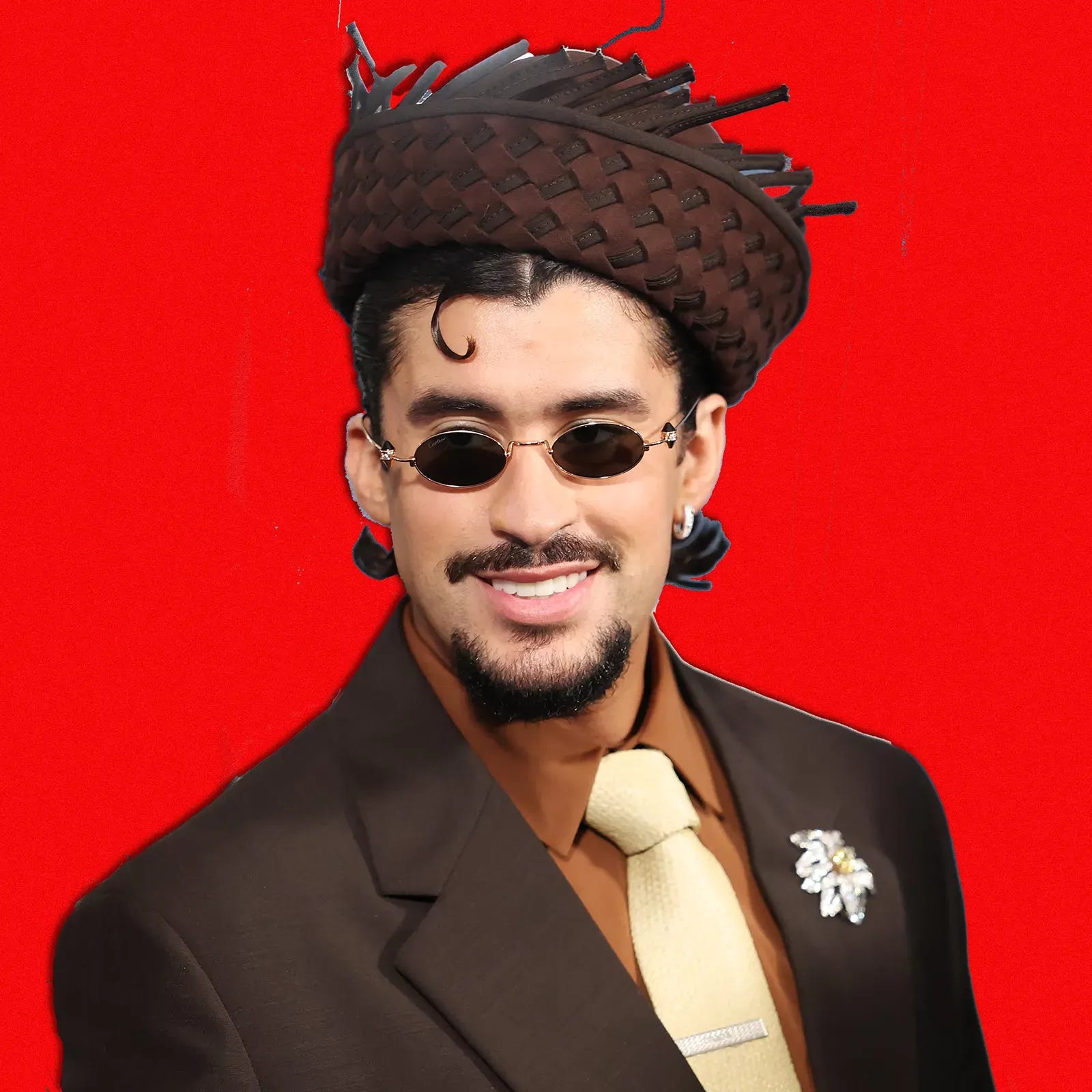
On Sunday, February 1, the artist won three Grammy Awards: Best Album (DeBí TiRAR MáS FOTos), Best Global Music Performance, and Best Música Urbana Album. The NFL didn’t invite him for his politics and will almost certainly ask him to leave them at home during his performance. But during his Grammy acceptance speech, Bad Bunny made his views clear, saying, “Before I say thanks to God, I’m gonna say: ICE out.”
The NFL invited him because he is a global superstar who will attract millions of viewers to the halftime show—viewers that translate directly into higher advertising revenue. Bloomberg reports that a 30-second Super Bowl ad now costs between $8 million and $10 million.
When musicians and athletes begin speaking out on public issues, it’s often a sign that “normal” voters are paying attention. In another example of this crossover, the Minnesota Timberwolves recently wore warm-up shirts reading “Stand with Minnesota” and released a statement referencing the “times of hardship and need” facing the state. While celebrity endorsements have a mixed record when it comes to producing substantive change, they do signal that the chaos and abuse we’re experiencing are being felt even by those who usually tune politics out.
Fans who oppose Bad Bunny’s politics will have an alternative. They can change the channel and watch a halftime show hosted by Turning Point USA, featuring Kid Rock alongside country music performers Brantley Gilbert, Lee Brice, and Gabby Barrett.
These competing halftime options are symbolic of the parallel belief systems operating in America today. Some oppose ICE, view its tactics as illegal, and believe they are trying to manipulate us with fear and intimidation rather than immigration enforcement. And some believe that if paid protesters were to simply stand down, ICE could do its job. They often devalue the contribution immigrants have made to the country. There is very little overlap between these two groups.
Perhaps the one common denominator this Sunday will be that both sides are drinking beer over bowls of guacamole made with avocados picked by Mexican laborers earning about $10 a day.

The Beef with Policing
If you are among the rare Americans who socialize with people holding different political views than your own, there may be some heated debates this weekend about the role local police and the Hennepin County Sheriff should play when it comes to federal immigration officials.
According to “czar” Tom Homan, Sheriff Dawanna Witt could resolve the current standoff simply by opening the Hennepin County jail to ICE agents. In a recent interview with CBS, Sheriff Witt said she felt “scapegoated.” There are several complications with opening the jail to federal agents, including the risk of lawsuits if inmates are held longer than legally allowed. The federal government is not going to step in to cover defense costs or legal fees.
Sheriff Witt has said the county will hold someone for federal agents if they present a warrant signed by a judge. One critical factor in this dispute is the complete lack of trust between the agencies involved. Even if Hennepin County were to grant the Department of Homeland Security everything it wants, there is no guarantee that DHS would reduce its presence or change its tactics.
Local police find themselves in a similarly difficult position. In a politics-free environment, officers would be responsible for enforcing the law regardless of whether the individual involved is a federal agent or a private citizen. In a recent Star Tribune opinion piece, Community Safety Commissioner Toddrick Barnette wrote:
Officers also have a duty to intervene if they observe clearly excessive force, and we will document injuries or property damage caused by federal agents just as we would in any other case. All engagement decisions are reviewed at the command level or by the chief of police. In every instance, the goal is de-escalation.
We reached out to Barnette’s office to ask whether this approach is the same as the executive order Chicago Mayor Brandon Johnson signed, known as “ICE On Notice.” That order directs police to document illegal actions by federal agents and forward those cases to the county attorney for prosecution. Mayor Johnson told Democracy Now! host Amy Goodman that the goal was accountability and transparency.
The procedure outlined by Barnette in his Opinion are not new for the MPD. We were told the situation isn’t quite as clear-cut as Mayor Johnson suggests. For example, if an agent is masked and lacks visible identification, prosecuting a crime becomes extremely difficult. That reality—more than concerns about doxing—may help explain why federal agents are wearing masks.
Still, videos captured by observers could lead to prosecutions. Without citizen-recorded footage, the public would be entirely reliant on the federal government’s version of events.
Georgia Fort explained the importance of video documentation in an interview with Rachel Maddow on MS Now. She cited the manipulated photo of Nekima Levy Armstrong as an example. Without alternative images showing Armstrong’s actual expression during her arrest, the public would be left with a government-released photo altered to depict her crying, with her skin tone darkened.
This kind of manipulation makes trusting official narratives—and promises about when a drawdown might occur—nearly impossible. Fort and Don Lemon were both prepared to voluntarily turn themselves in for arrest, but DHS instead sought to capture images of them in handcuffs. Actions like these suggest that much of what the federal government is doing is driven more by public relations than by public safety.
Puerto Rico Wins
Regardless of who wins the Super Bowl, the world will see a proud Puerto Rican singing at halftime. In many ways, they will be witnessing the American dream made real.
Born in a small town outside San Juan to a truck driver and a schoolteacher, Benito Antonio Martínez went from bagging groceries and uploading songs to SoundCloud to becoming the biggest global music star.
Whether you watch Bad Bunny, tune into Turning Point USA, or protest the Super Bowl altogether, it’s worth remembering that America was widely seen as a beacon of opportunity, free speech, and democracy. That reputation has been compromised by illegal searches, handcuffing women to bathroom sinks, public arrests of journalists, and masked agents roaring through cities in unmarked SUVs. These tactics are the hallmarks of dictators.
That damage could be compounded by unnecessary meddling in state elections. If you care about the flag and about democracy, this is a moment to consider how America is being perceived, whether you’re watching the game in Minneapolis, San Juan, Caracas, or Tehran.


