


Brief Summary
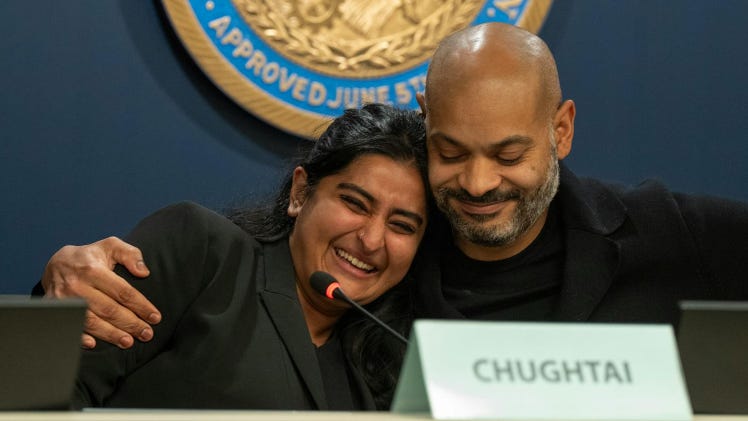
On December 16, Mayor Jacob Frey and City Council Vice President Aisha Chughtai reached a late-breaking agreement that allowed the mayor to sign Minneapolis’s budget. The deal, which requires a series of budget amendments after the council formally adjourns, was publicly framed as a win for collaboration.
Not everyone saw it that way.
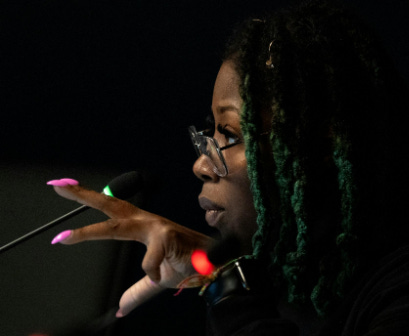
Council Member Robin Wonsley sharply criticized the process, objecting to what she described as closed-door negotiations between the mayor and council leadership. Her concern wasn’t about the $140 million in additional city spending, it was about transparency, trust, and who gets a seat at the table when major decisions are made.
Palace Intrigue
News of Minneapolis’s $2 billion budget agreement briefly appeared on the Minnesota Star Tribune’s front page. It was demoted by breaking news about changes in the ownership and front office of the Minnesota Twins. The sports story quickly dominated the paper’s website, complete with a prominent photo of Joe Pohlad in expensive loafers with no socks, who will cede oversight of the team to his brother, Tom.
The contrast was hard to miss. A generational shift within a wealthy sports franchise drew top billing, while the mechanics of how Minneapolis will spend billions of public dollars slipped quietly from view. It was a familiar reminder of what tends to command attention and what does not.
As for the budget deal itself, its passage may have consequences inside City Hall. Some council observers see Vice President Aisha Chughtai’s role in the closed-door negotiations with Mayor Frey as a sign that leadership changes are coming. Council Member Jamal Osman is widely viewed as a contender for the vice presidency. Chughtai may have calculated that upsetting colleagues like Robin Wonsley was a risk worth taking. Meanwhile, Council Member Jeremiah Ellison, who also participated in the negotiations and is not seeking reelection, had less to lose politically as the deal came together.
It’s easy to tout “collaboration” and much harder to practice it in government. While there are many positions Council Member Robin Wonsley takes with which we disagree, her criticism of the budget process is understandable. As she told the Star Tribune, “Dangling jobs in front of this body to upend weeks of work is incredibly cynical and misleading, and I will not normalize negotiations based in bad faith and [that] take place behind closed doors.”
Leaving Wonsley out of negotiations on what is arguably the City Council’s most important responsibility risks creating deeper fractures in the future. If the council reelects Elliott Payne as president and replaces Chughtai with Jamal Osman as vice president, it will signal a willingness to prioritize internal alliances over the appearance of clean, collaborative governance. Some council members appear unconcerned with how these leadership choices may be perceived, particularly given unresolved questions surrounding past controversies connected to Osman. With four-year terms secured, the incentive to broaden appeal or address public skepticism may be weaker than it should be.

The budget negotiations stretched across multiple sessions and many hours. We watched portions of them and found the discussions informative. In particular, Council President Elliott Payne offered a candid assessment of the current state of trust between the City Council and the administration during a conversation about new reporting requirements for city departments.
Payne explained that the council is moving toward more formal oversight because trust alone is no longer sufficient. As he put it, there are two ways to govern: one built on trust, and another built on rules and procedures that verify actions after the fact. In the absence of the first, the council has decided it must rely on the second.
Council Member Robin Wonsley also raised concerns about what she described as “impoundment.” It’s a tactic they believe the mayor has used to sidestep council priorities. Impoundment occurs when the council allocates funding for specific programs, but the mayor, rather than vetoing the budget, directs departments not to spend the money. That dynamic, council members argue, has further eroded trust and prompted the push for stronger oversight mechanisms.
Conclusion
When the new City Council is sworn in on January 5, 2026, it will include four new members: Pearll Warren (Ward 5), Elizabeth Shaffer (Ward 7), Soren Stevenson (Ward 8), and Jamison Whiting (Ward 11). They have already pledged to work together in a collaborative spirit.
We’ll take them at their word, for now. But if they watched the recent budget hearings, they also saw how fragile collaboration can be when trust is thin and the stakes are high. Turning good intentions into good governance will be their first real test.


